
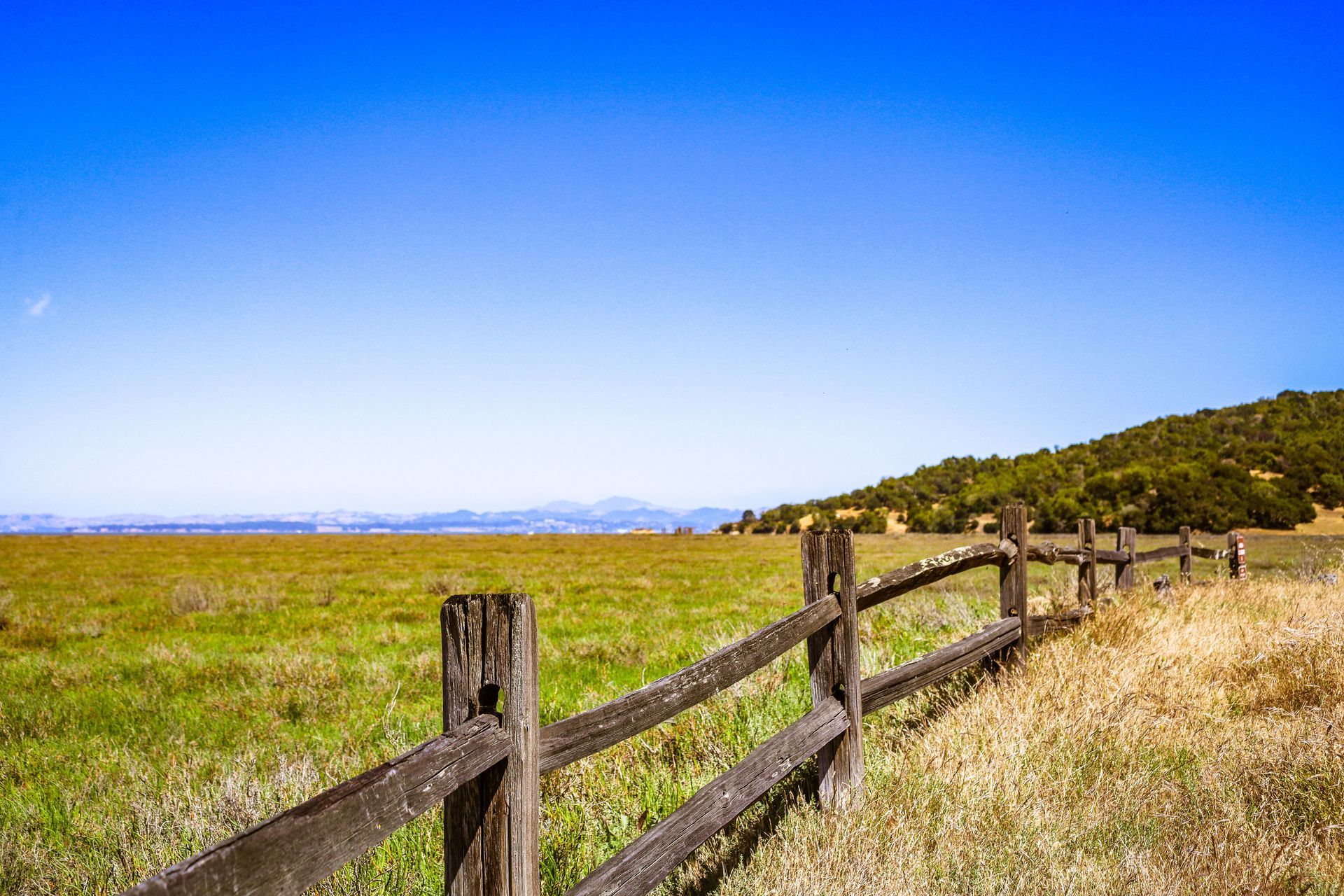
Clear Fence Lines That Stay Accessible
Fence Line Clearing in Canton for farms, ranches, and acreage properties where overgrowth blocks access and complicates maintenance
Brush and volunteer trees grow quickly along rural fence lines, limiting access for inspections, repairs, mowing, and livestock management. Land Worx Service Co, LLC handles fence line clearing for farms, ranches, and acreage properties in Canton, where overgrown vegetation interferes with fence visibility and maintenance access. You regain clear sight lines and dependable access to posts, wire, gates, and other areas that require routine maintenance.
The service removes saplings, brush, vines, and encroaching vegetation that crowd fence structures, interfere with access, or place pressure on posts and wire. Controlled clearing methods target problem growth while working carefully around existing posts, wire, gates, and surrounding ground.
Schedule an evaluation to identify overgrown sections and determine the best approach for restoring access along your fence line.
How Clearing Supports Fence Maintenance and Property Operations
Fence line clearing involves cutting back woody vegetation and brush that restricts access, then removing material from the corridor so equipment and personnel can move freely along the fence route. The process focuses on establishing a manageable corridor for mowing equipment, ATVs, utility vehicles, or workers on foot. This reduces repeated hand trimming and makes it easier to identify damaged posts, loose wire, or areas affected by livestock.
After clearing, you can view more of the fence structure, identify tension issues or leaning posts, and reach damaged sections without first cutting through dense vegetation. Routine mowing and maintenance become more manageable, while removing dense growth can help reduce moisture buildup, pest activity, and vegetation pressing against fence materials.
Regular fence line maintenance helps landowners address isolated damage before overgrowth makes repairs more difficult and time-consuming. Clearly maintained fence lines also make property boundaries easier to follow and support pasture management, livestock containment, and access between sections of the property.
What Landowners Ask About Fence Line Work
Farm, ranch, and acreage owners in Canton often have questions about what vegetation will be removed, how wide the cleared area should be, and how the crew will work around existing fencing.
What types of vegetation are removed during fence line clearing?
The service targets brush, saplings, volunteer trees, and woody growth that interfere with fence access or visibility, while leaving mature trees outside the maintenance corridor and any vegetation that does not obstruct fence inspection or repair work.
How wide should a cleared fence line corridor be?
Most landowners establish a corridor between eight and twelve feet wide, which provides room for mowing equipment passage and creates enough clearance that annual regrowth does not immediately block access again.
When is the best time to clear fence lines in Canton?
Late fall through early spring offers the advantage of frozen or firm ground that supports equipment movement without rutting, and dormant vegetation is easier to cut and remove before spring growth accelerates.
Does clearing damage existing fences?
Precision equipment and controlled cutting methods protect fence structures during vegetation removal, and operators work carefully around posts and wire to avoid displacing or stressing components that are still functional.
How does fence line clearing affect future property maintenance?
Cleared fence lines reduce the time required for inspections and repairs, allow mowing equipment to maintain the corridor without hand trimming, and make it easier to spot livestock pressure or weather damage before small problems require section replacement.
Land Worx Service Co, LLC works with property owners to restore fence line access and visibility on farms and acreage properties where overgrowth has made maintenance impractical. Request a site assessment to review your fence line conditions and discuss a clearing approach that matches your property management schedule.