Removing Vegetation That Limits Property Function
Land Clearing in Canton for overgrown properties requiring development preparation or improved access
Overgrown brush, dense tree growth, and accumulated vegetation prevent construction equipment access, limit agricultural expansion, and obscure property boundaries on wooded or neglected land. Land Worx Service Co, LLC removes trees, brush, and obstacles from residential, agricultural, and recreational properties in Canton, Minnesota, preparing sites for building projects, field expansions, or long-term property management. Clearing methods prioritize efficiency while minimizing unnecessary soil disturbance that can lead to erosion or compaction issues on slopes or poorly drained ground.
The process involves cutting and removing standing vegetation, extracting root systems that interfere with grading or planting, and clearing debris that blocks equipment movement or creates fire hazards. Agricultural properties often require clearing along fence rows or field edges to reclaim usable acreage, while recreational land benefits from selective clearing that opens trails or hunting areas without removing all canopy cover.
Arrange a property assessment to identify clearing zones and discuss debris removal options.
How Land Clearing Addresses Site Usability
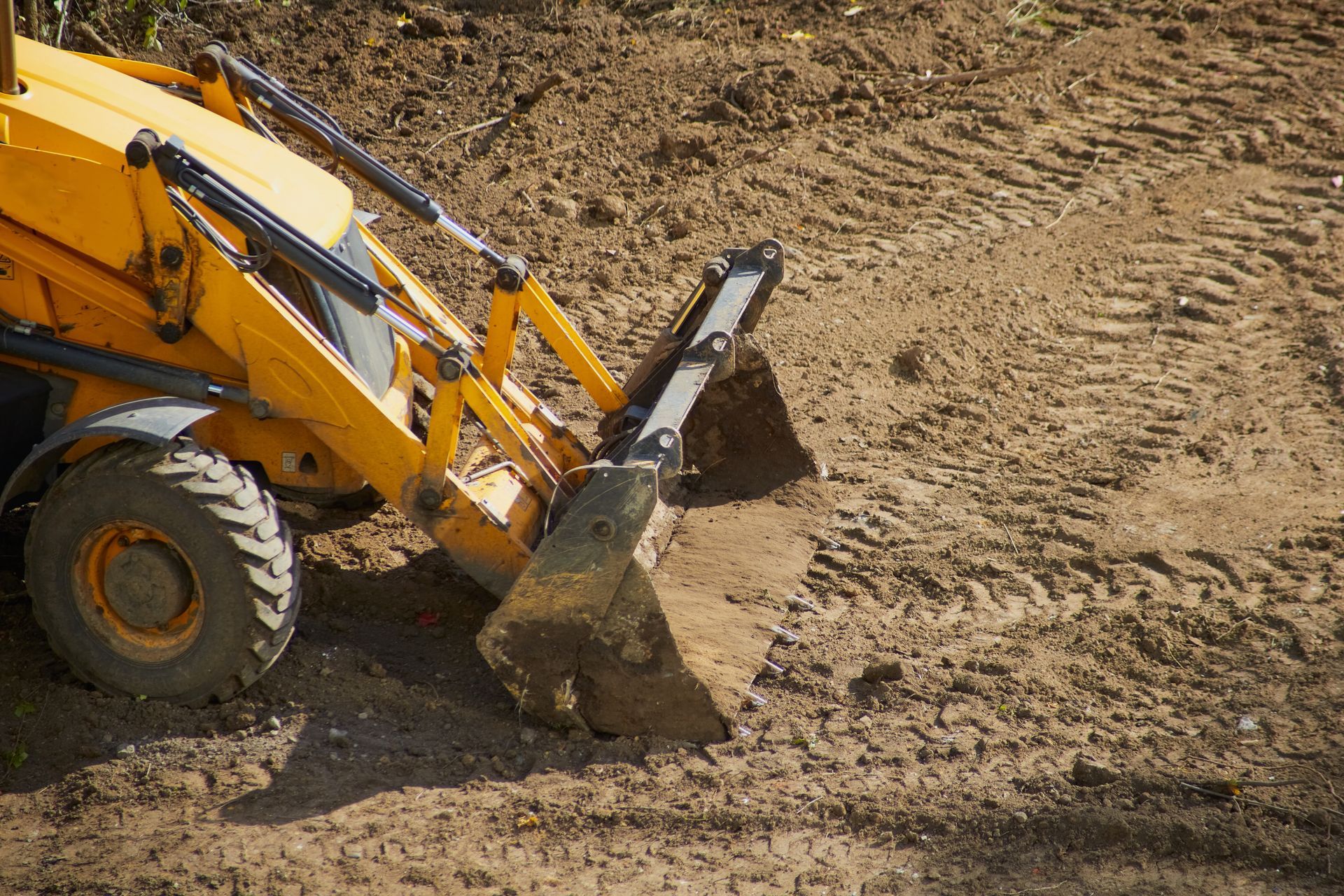
Clearing equipment removes vegetation at ground level and processes larger material for off-site disposal or on-site burning, depending on local regulations and property size. Safe clearing practices protect existing structures, utilities, and desirable trees marked for retention, while removing only the vegetation that interferes with your project or land use goals.
After clearing is finished, you notice unobstructed access for vehicles and equipment, visible property lines that were previously obscured by overgrowth, and open ground ready for grading, planting, or construction layout. Properties with improved sightlines and reduced wildfire fuel loads become easier to maintain and safer to navigate, and fence installation or boundary work proceeds without cutting through dense brush during the project.
Clearing does not include stump grinding, fine grading, or topsoil placement, though those services can be coordinated if your project requires a finished surface. The extent of root removal depends on whether you plan to build, plant, or simply improve access, with deeper excavation reserved for sites requiring foundation work or drainage installation.
Answers to Frequent Service Questions
Property owners typically want to know what clearing involves, how debris is managed, and what site conditions affect the timeline before scheduling the work.
What happens to the debris after clearing?
Material is either hauled off-site, processed for burning where regulations allow, or chipped and spread as ground cover depending on your preference and local ordinances in Canton and surrounding townships.
How is clearing done without damaging the soil?
Equipment with low ground pressure and selective cutting techniques reduce compaction and preserve topsoil, especially on slopes or wet ground where heavy machinery can cause rutting.
When should I schedule clearing for a construction project?
Clearing is best completed before site grading or utility work begins, typically in late spring through fall when ground conditions support equipment access and debris burns are permitted.
What factors affect clearing costs?
Vegetation density, tree size, terrain steepness, and debris disposal requirements all influence project duration and equipment needs, with heavily wooded or sloped properties requiring more time than open brushland.
How do I know if selective clearing is better than full clearing?
Selective clearing retains shade trees, windbreaks, or privacy screens while opening specific areas for use, whereas full clearing removes all vegetation for maximum usability and development flexibility.
Land Worx Service Co, LLC handles clearing projects for properties where overgrowth limits functionality, safety, or development potential. Request a site evaluation to discuss vegetation removal priorities and receive a project estimate based on current site conditions.