Access Routes Through Dense Property
Trail Clearing in Canton for large acreage where overgrown vegetation blocks access to remote areas
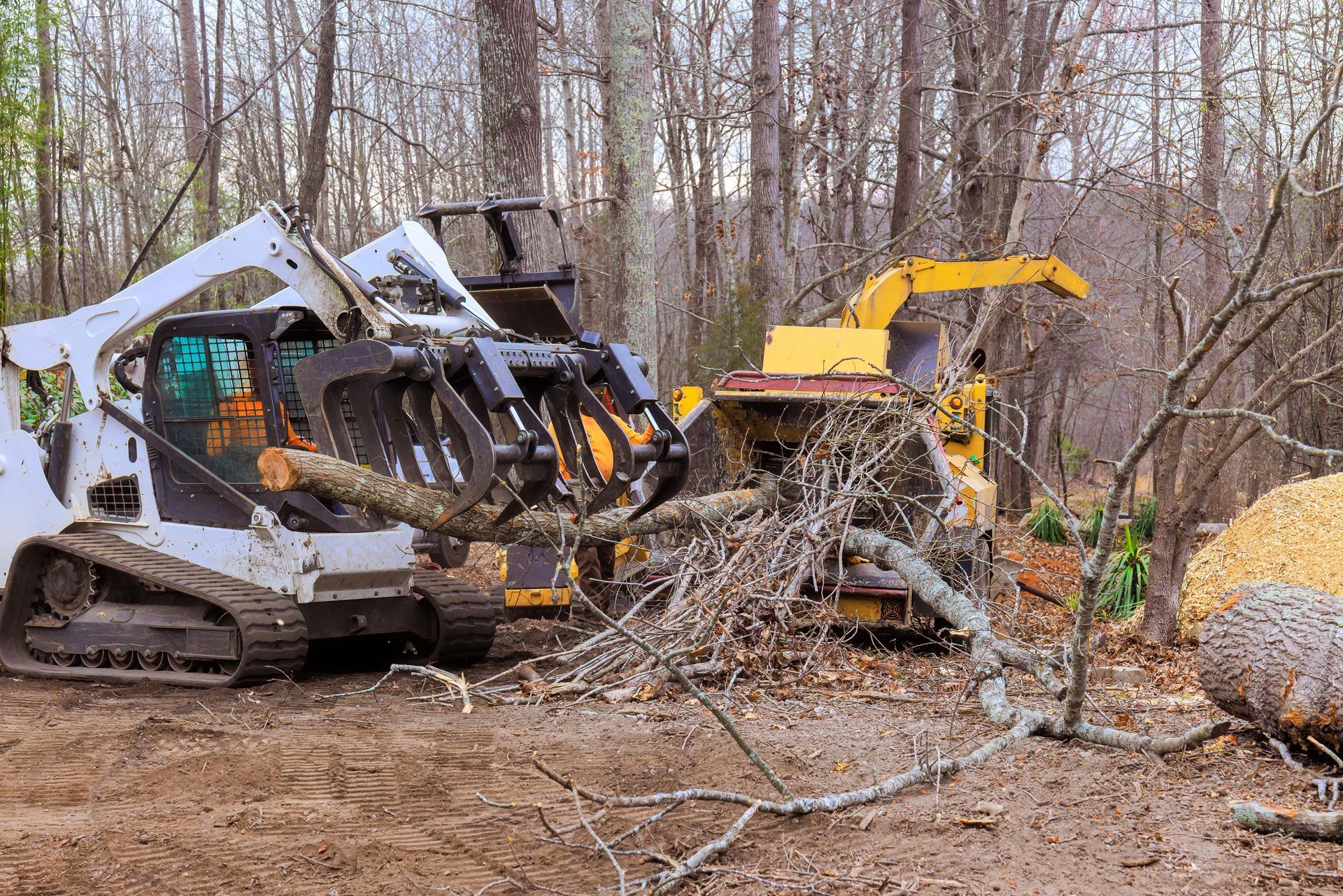
Dense vegetation and fallen trees accumulate on recreational and agricultural properties, gradually closing trails that once provided access to back areas, hunting spots, or maintenance sites. Trail clearing from Land Worx Service Co, LLC restores or establishes routes through wooded acreage and overgrown land in Canton, cutting through brush and removing obstacles that prevent ATV passage or foot traffic. After clearing, you move equipment and personnel to previously inaccessible areas without forcing paths through thickets or navigating around deadfalls that shift position each season.
The work involves cutting vegetation to trail width, removing downed trees and limbs, and clearing the route to a level that supports intended use, whether that means ATV traffic, walking paths, or seasonal equipment access for land management activities. Trails can follow existing game paths, old logging roads, or new routes designed to connect specific points across the property.
Request a trail clearing estimate to discuss route options and the level of clearing required to support your property access needs.
Why Trail Access Improves Property Usability
Clearing trails through challenging terrain involves cutting brush and small trees, removing root systems or rocks that create trip hazards or block equipment, and establishing a maintained corridor wide enough for intended traffic. The process prioritizes safe passage while minimizing disturbance to surrounding vegetation that provides cover or screening for wildlife and recreational use.
Once trails are cleared, property owners reach remote stands, food plots, or boundary lines without extended hikes through undergrowth, and maintenance activities like fence repair or timber management become practical instead of prohibitively difficult. Cleared trails also make properties safer by providing defined routes that reduce the chance of getting disoriented in dense woods or rough terrain.
Trail clearing does not include surfacing or drainage structures unless specifically requested, so routes through wet areas may still require seasonal timing or equipment selection to avoid rutting. Properties with established trail networks also tend to see more wildlife activity along edges where cleared corridors meet thicker cover.
What Property Owners Usually Ask
Landowners planning trail projects often need clarity on how clearing is approached and what results to expect on their specific terrain.
What width should a cleared trail be?
Trail width depends on intended use; ATV and equipment trails typically require eight to ten feet of cleared width, while walking trails for hunting access or recreation can be as narrow as four to six feet depending on how much equipment passage is needed.
How does trail clearing work through heavily wooded areas?
Clearing cuts and removes vegetation within the trail corridor, leaving surrounding forest intact to maintain cover and property character; larger trees outside the path remain unless they create hazards or block the desired route.
What happens to debris removed from the trail?
Brush and cut material are typically moved to the side of the trail or removed from the property depending on landowner preference and whether the material creates fire hazards or visual concerns near recreational areas.
When is trail clearing most practical in Canton?
Late fall through winter allows equipment to operate on frozen ground that supports machinery weight without rutting, and dormant vegetation is easier to cut and clear before spring growth makes trails less visible and more difficult to maintain.
Does trail clearing prevent regrowth?
Initial clearing opens the route, but trails require periodic maintenance to prevent brush and saplings from reclaiming the corridor; frequency depends on local growth rates, trail width, and how much traffic the trail receives during the year.
Land Worx Service Co, LLC clears trails for hunting properties, recreational acreage, and agricultural land where access to remote areas supports management and usability goals. Reach out to discuss your property layout and the trail routes that will improve access to areas you currently cannot reach efficiently.