
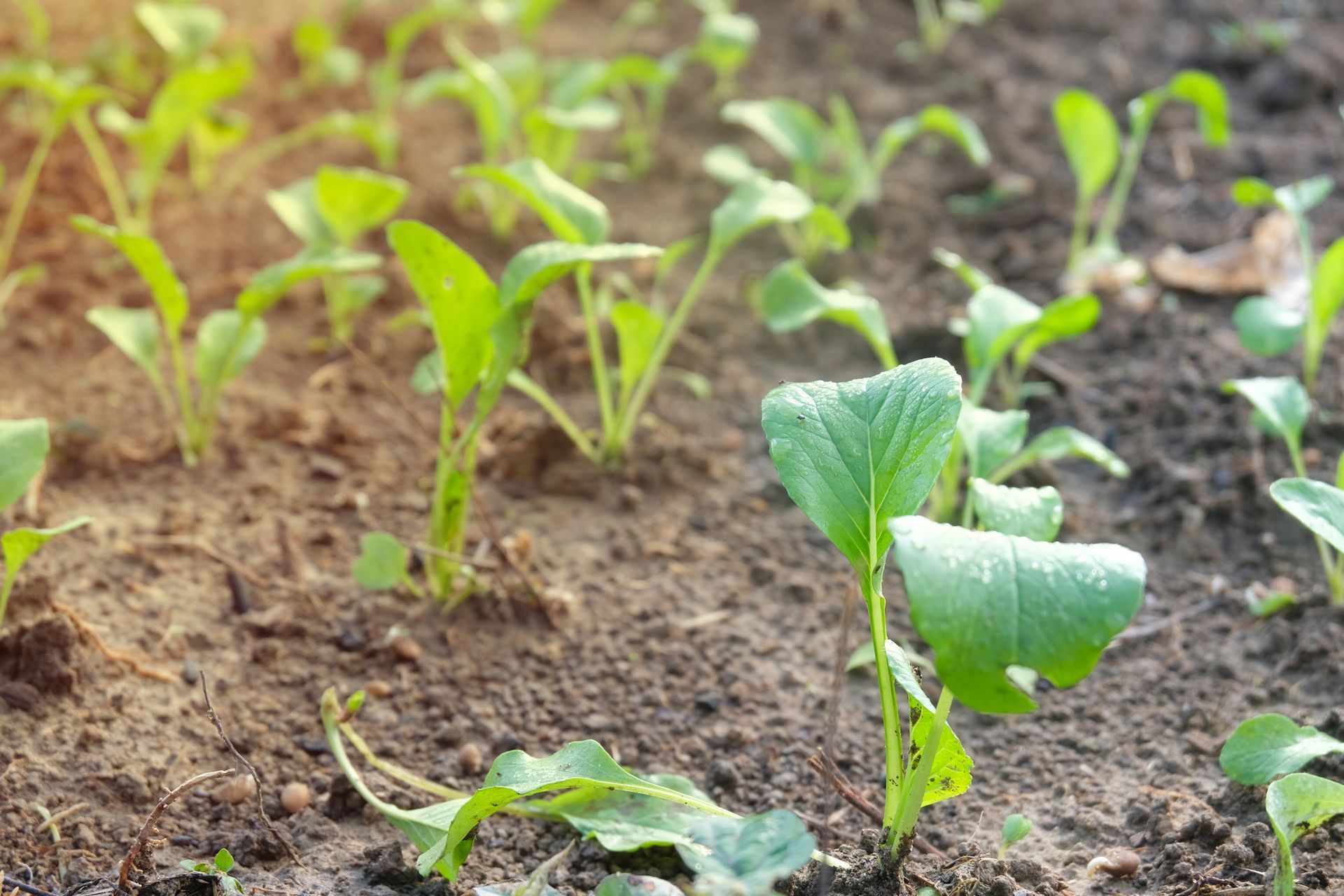
Habitat Development That Draws Wildlife
Food Plot Installation in Canton for hunting properties where wildlife activity is limited by lack of food sources
Properly designed food plots increase wildlife presence on recreational properties by providing nutrition during critical seasons when natural forage is scarce. Land Worx Service Co, LLC prepares sites for food plot establishment on wooded acreage and rural hunting properties in Canton, handling the clearing and development work that transforms unused areas into productive wildlife habitat. Landowners observe increased deer activity during hunting season and improved herd health as reliable food sources support body condition through fall and winter.
Food plot installation begins with site clearing to remove brush, stumps, and competing vegetation, followed by soil preparation that allows planted species to establish successfully. The process accounts for sunlight availability, drainage patterns, and access requirements that affect both plant growth and hunter positioning.
Schedule a food plot consultation to review potential locations on your property and discuss site conditions that will support successful establishment.
What Food Plot Preparation Involves
Food plot installation requires clearing the site to bare soil, removing stumps and root systems that interfere with equipment, and shaping the area to prevent water from pooling or washing out newly planted seed. Site size and shape depend on property layout, sunlight exposure, and how the plot fits into overall land management goals, with most plots ranging from one-quarter acre to several acres depending on available space and target species.
After preparation, the site is ready for soil testing, amendment if needed, and planting with species selected for seasonal nutrition and wildlife preference. You notice wildlife using the plot within weeks of planting during growing season, and established plots become focal points for activity that makes hunting more productive and wildlife observation more reliable.
Successful food plots require ongoing maintenance including mowing, reseeding, and weed control, but initial site preparation determines whether the plot establishes at all or fails due to poor drainage, inadequate sunlight, or competition from residual vegetation that was not fully removed during clearing.
Common Questions About Food Plot Projects
Landowners considering food plot installation often ask about site selection, preparation requirements, and how plots affect wildlife patterns on their property.
How do you choose where to install a food plot?
Site selection depends on sunlight availability, soil drainage, access for maintenance equipment, and positioning relative to bedding areas and travel corridors that deer already use on the property.
What gets removed during food plot preparation?
Clearing removes brush, small trees, stumps, and root systems that prevent equipment operation or compete with planted forage, while leaving mature trees that provide edge cover and shade variability depending on plot design.
How large should a food plot be?
Plot size varies based on property acreage and management goals, but most landowners start with plots between one-half and two acres, which provide enough forage to attract wildlife without requiring excessive maintenance or overwhelming available sunlight in wooded settings.
When is the best time to prepare food plots in Canton?
Late summer through early fall allows site preparation to be completed before fall planting of brassicas and cereal grains, while spring preparation supports warm-season plantings like clover and chicory that establish during Minnesota's growing season.
Does food plot installation include planting and seeding?
Site preparation focuses on clearing, grading, and creating a plantable surface; seed selection, soil amendment, and actual planting are typically handled separately based on soil test results and landowner preferences for specific forage species.
Land Worx Service Co, LLC works with recreational landowners to develop food plot sites that support wildlife habitat goals and improve hunting property performance. Arrange a property evaluation to identify locations where food plots will draw wildlife activity and discuss preparation steps suited to your site conditions.